A control layer for Voice AI
Voice AI is becoming a core part of modern voice strategies — but integrating it into telephony doesn’t need to be complex.
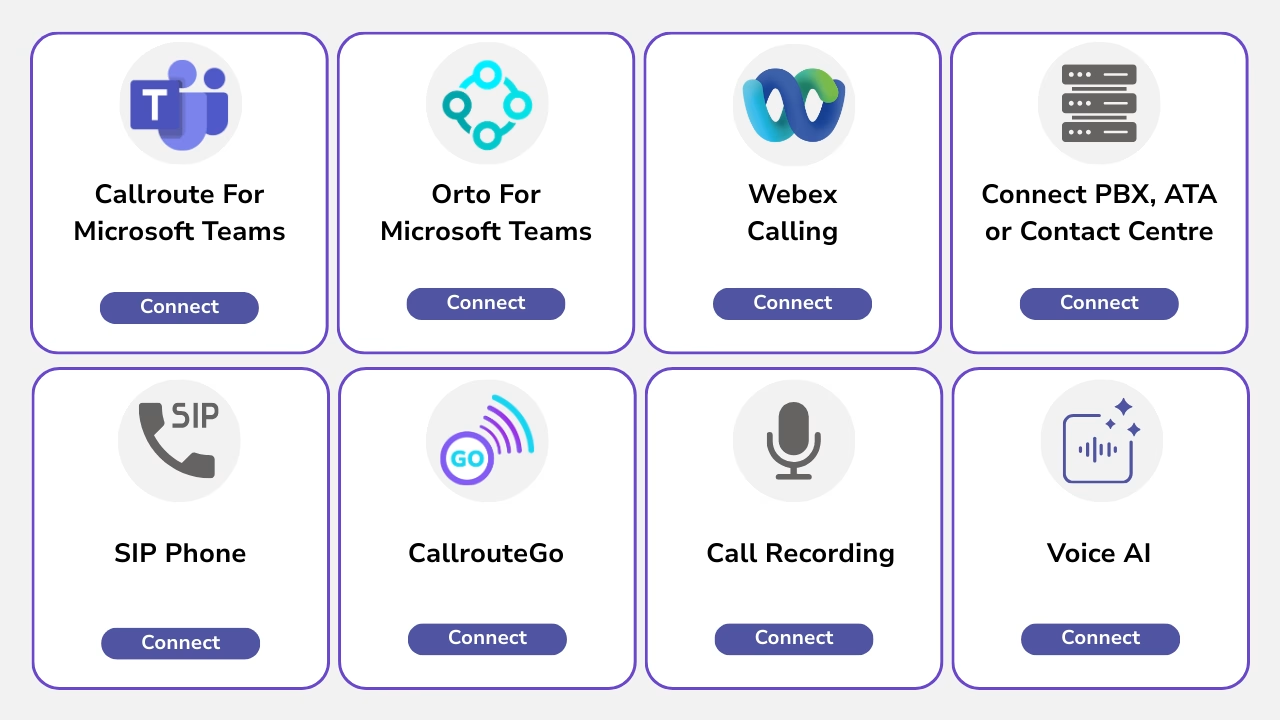
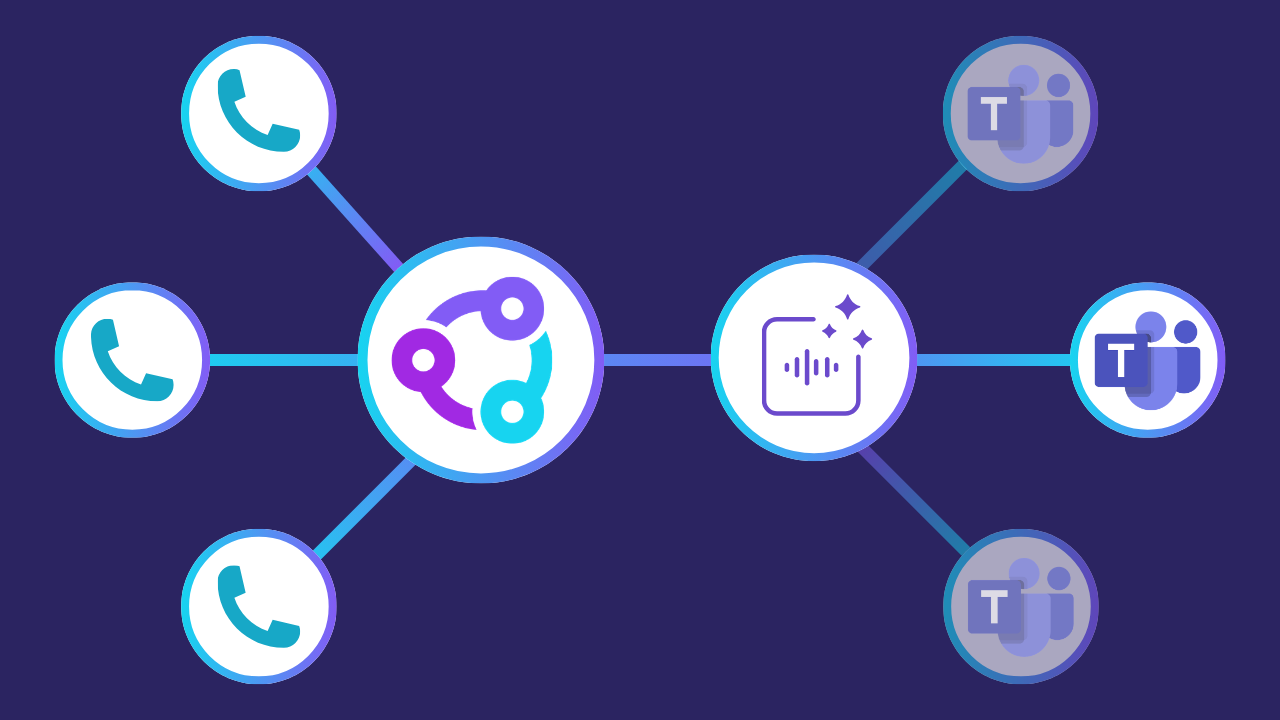
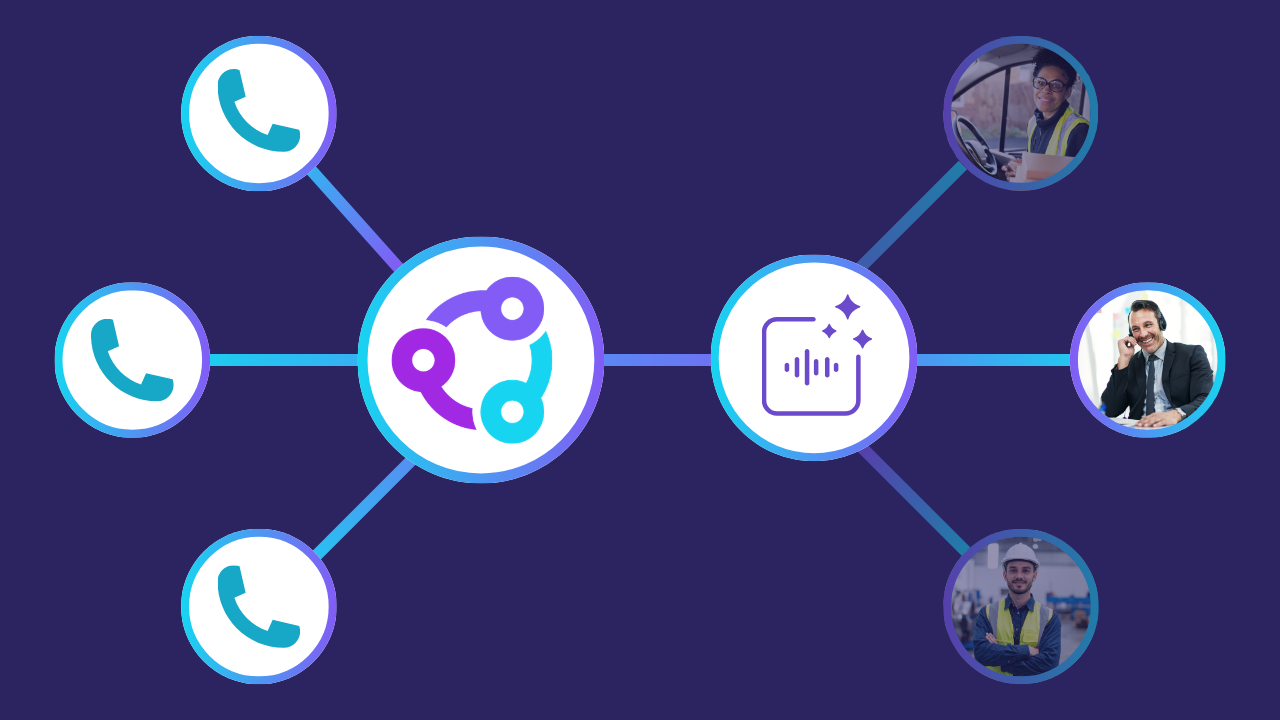
Callroute makes Voice AI just another destination you can route calls to, alongside Microsoft Teams, Webex, contact centres and other voice services.
By sitting between your phone numbers and Voice AI platforms, Callroute gives you the flexibility to deploy, test and scale AI-driven call handling without locking you into a single architecture or disrupting existing services.
Route numbers to Voice AI services
With Callroute, phone numbers can be assigned to Voice AI platforms in just a few clicks — individually or in bulk.
This makes it easy to direct inbound calls to AI for tasks such as call handling, triage, bookings or out-of-hours support, while keeping full control of numbering and routing from one central portal.
Hybrid AI and human call handling
Voice AI doesn’t need to replace human teams entirely.
Callroute enables hybrid call flows where AI handles the initial interaction and escalates calls to people when needed.
Calls can seamlessly move from Voice AI to Microsoft Teams users, contact centre platforms, or other services — all managed through the same routing model.
Built-in resilience for AI-driven calls
Callroute ensures Voice AI deployments remain dependable.
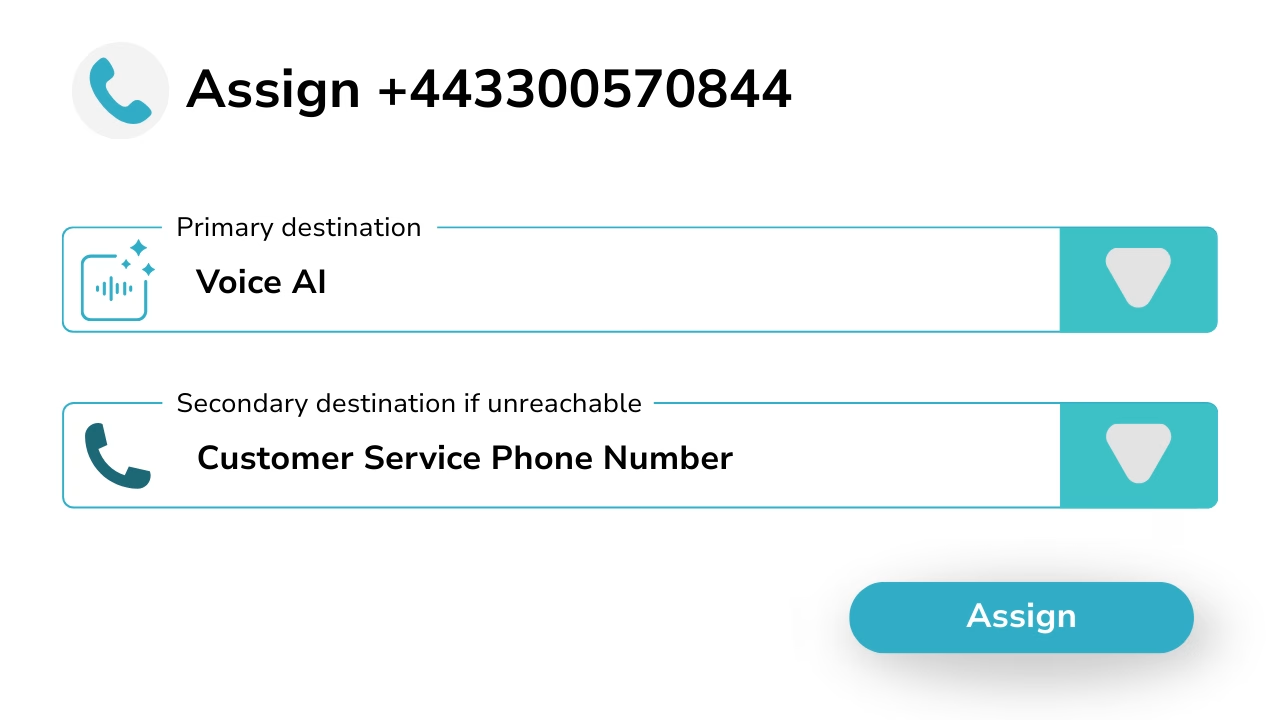
You can configure primary routing to AI with automatic failover to a secondary destination if the AI service is unavailable.
This ensures callers always reach a live destination, protecting customer experience even during outages or maintenance.
How To Connect To AI-driven calls
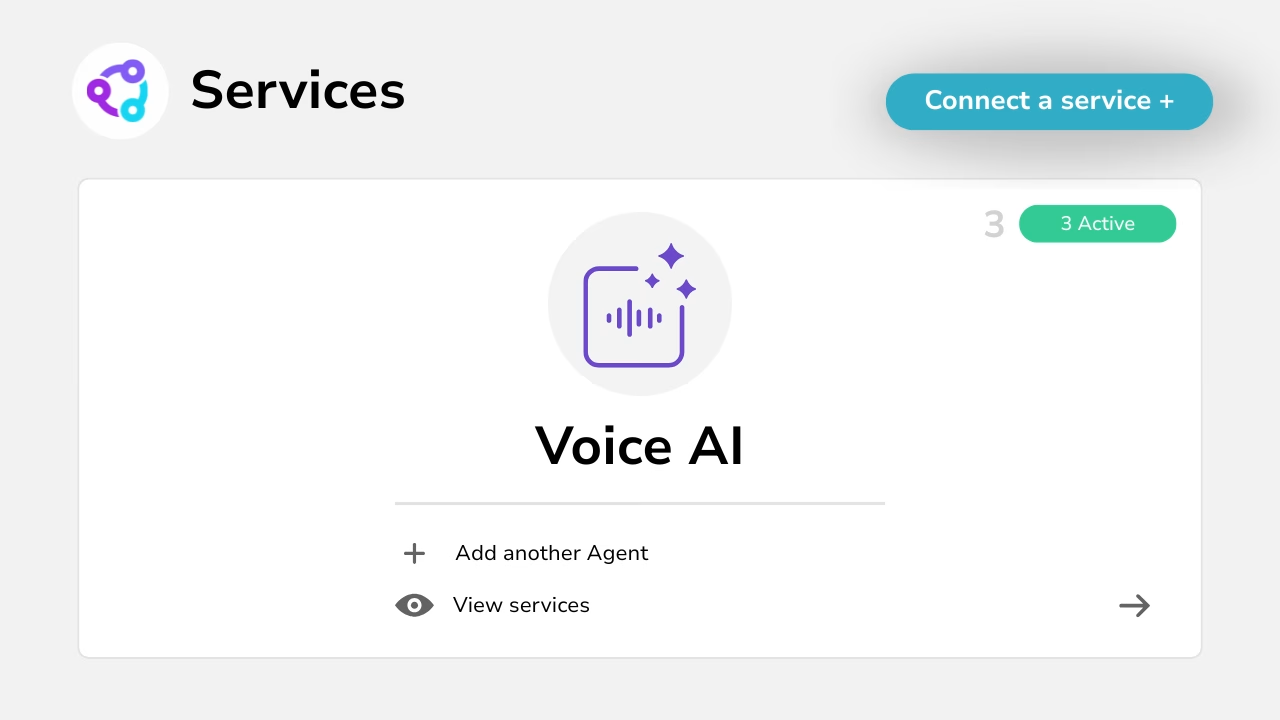
1) Connect your Voice AI platform
Callroute connects to your Voice AI service using standard voice integration methods, creating a controlled call path.
2) Assign numbers
Route phone numbers to Voice AI in a few clicks, per number or across entire ranges.
3) Scale and evolve
Adjust routing, add new AI services, or introduce human escalation paths without renumbering or disruption.
Use Cases
Why Use Callroute For Voice AI Connectivity
What Our Customers Say